Curtain
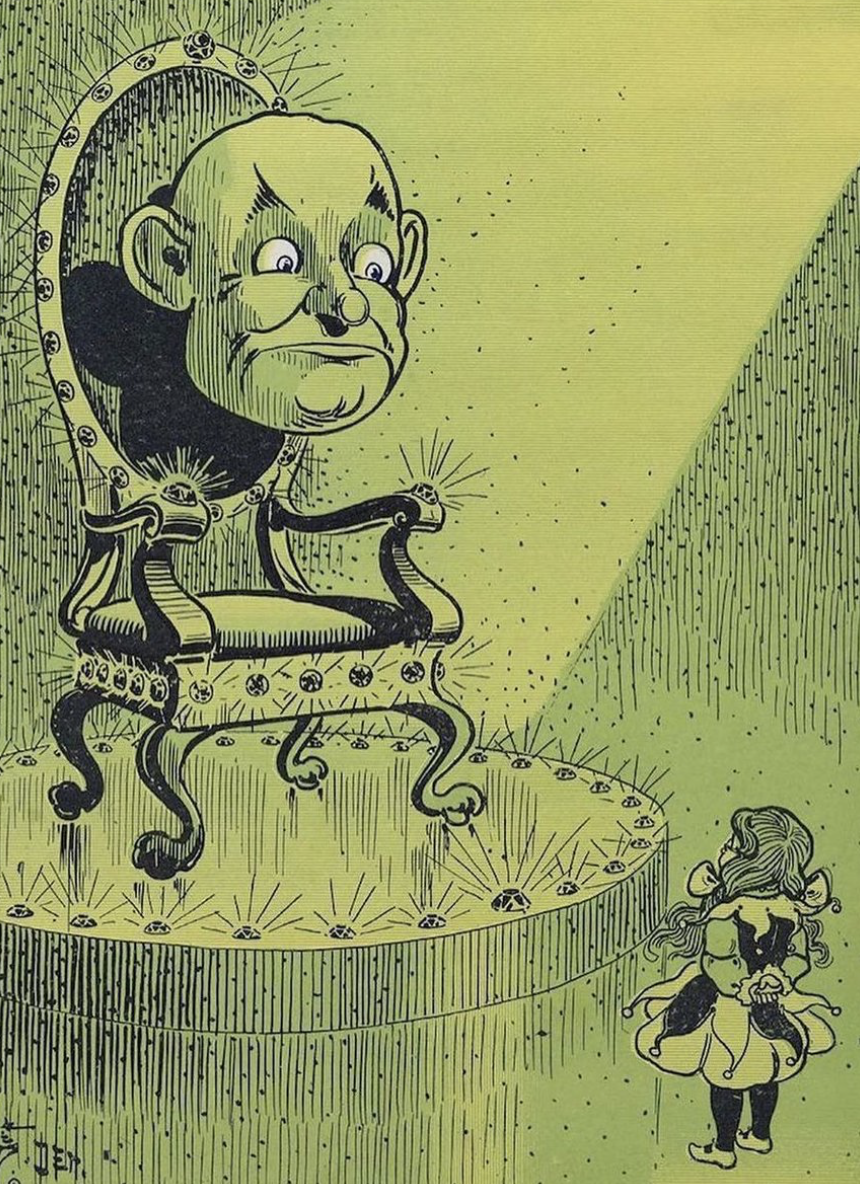
"I didn't defend or protect myself in the beginning," she said slowly and carefully, "because I was scared and invested in trying to understand things and fix them. I remembered the love we'd once had and kept looking for it (assuming it was still there)." "What changed for you?" someone asked her. "When the children came, I realized that I was two people - one more fearful and filled with shame (perpetually shocked) ... and another who thought, "You put one hand on my kids and you better run". I realized that the more cooperative, apologetic me was (in reality) an accomplished actress who played that role to perfection in order to hide the second one, who was growing in power every day." "Did you ever turn to violence yourself?" came another question. "No, I didn't have to," she responded. "It was enough to know that I was capable of it and they had no clue; beneath my docile exterior, I was successfully disputing every lie that I was told and becoming increasingly dangerous. Freedom was right around the corner; I just needed to take some practical steps to ensure everyone's safety." "Even theirs?" came the next prompt, and she nodded. "Maybe especially theirs," she sighed. "When I finally saw that the great and powerful Oz was simply an idiot running in circles behind a curtain, it changed the game for me. Oh, sure, I was going to click my heels together three times and get us all out of there, but ... was the wizard allowed to run for his escape balloon or would his body parts be found all over the Emerald City in small ribboned gift bags? It took a minute to decide." She looked out at the others in the silent room, some with a corner of their mouths turning up and eyes glittery. "You guys know what I mean; I know you do."
Credit: “The Wizard of Oz” written by L. Frank Baum with illustrations by W W Denslow (1900).